The Pink Bowl Rule: Why Sharp Onions Finish What Charcoal Starts
Photo: Andy Li, CC0, via Wikimedia Commons
There is a moment, about three skewers in, when a Turkish grill table starts to lean on you. The lamb is rich, the köfte is fattier than you remembered, the flatbread has been doing its job under the drip, and suddenly every bite tastes like the last one. That is the moment the small pink bowl earns its keep.
Sumac onions — sometimes just called sumaklı soğan — are the cheapest, least glamorous thing on the table and the one most likely to be finished first. They are not a salad in the British sense, and they are not a pickle either. Think of them as a reset button: raw onion sharpened with sumac, lemon and salt, softened just enough to be eaten by the spoonful, sitting where you can reach them without thinking.
What the bowl is actually doing
Turkish grilling has a rhythm that British barbecue culture doesn't always have. Charcoal gives you fat, smoke and char; the table gives you the counterweight. That counterweight arrives in several forms — pickled peppers, garlicky yoghurt, a pile of parsley, a squeeze of lemon — and sumac onions are the front line of it.
The job is twofold. First, acid and allium cut through rendered fat in a way that nothing else quite manages. Second, the crispness resets your palate so that the fifth mouthful of lamb tastes like the first. Without it, a sharing table of grilled meat becomes heavy quickly, and people start reaching for fizzy drinks instead of the food.
It also happens to be almost free. Two red onions, a spoon of sumac, a lemon and a handful of parsley — roughly 60p of shopping for a bowl that feeds six.
Getting the onion right (most people don't)
The single biggest mistake is slicing too thick. You want the onions thin enough to bend on the fork, roughly 1–2mm, which is easiest done on a mandoline or with a very sharp knife and a bit of patience. Thick slices stay aggressive and crunchy in the wrong way, and they overpower everything else on the plate.
Slice them crossways into half-moons rather than long strips. Half-moons tangle together nicely and are easier to scoop with flatbread.
Then the crucial step: salt them before anything else. A good pinch of fine salt, a short massage with your fingers for 30 to 60 seconds, and ten minutes' rest. The onion will slacken, release water and lose that raw, eye-watering edge. Drain that liquid off — if you leave it in, you get a watery bowl of onion soup by the time the second skewer comes round.
Sumac: what you're buying and where
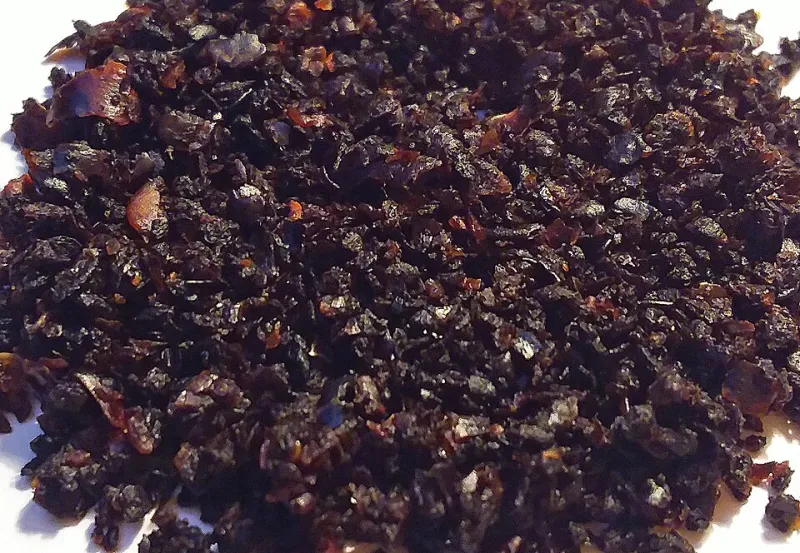
Good sumac should be a deep, dull burgundy, not bright crimson. It should smell faintly tart and fruity, like dried citrus peel meets a hedgerow, and it should taste sour with a slight saltiness, never dusty or bitter. If it tastes like nothing, it's either old or it's been bulked out with salt and colouring.
In the UK you have decent options. Turkish and Middle Eastern grocers — the sort of place with sacks of bulgur by the door and a fridge of white cheese at the back — sell sumac in 100g and 250g bags far more cheaply than a supermarket jar, and it's usually fresher because it turns over quickly. Look for brands with Arabic or Turkish labelling and a visible harvest or best-before date. If you're shopping in a standard supermarket, the small jars from Bart or similar are perfectly serviceable, just pricier per gram.
One caveat: some budget blends are heavily salted. Taste before you season the onions, or you'll end up with something unpleasant.
Store sumac in a sealed jar away from the light and heat — not in the spice rack above the hob. It fades within a year or so, so buy small and often rather than a catering sack you'll never finish.
The recipe, more or less
For four to six people:
- 2 medium red onions, thinly sliced into half-moons
- 1 heaped tbsp good sumac, plus more to finish
- Fine salt
- Juice of 1 lemon (or half a lemon plus a teaspoon of pomegranate molasses for a sweeter, deeper version)
- A large handful of flat-leaf parsley, roughly chopped
- Optional: a few sprigs of mint, a pinch of Turkish pepper flakes, a drizzle of olive oil
Salt the onions, massage, rest ten minutes, drain. Add the sumac and lemon juice, toss thoroughly with your hands so every strand is coated, then fold through the parsley. Taste. It should be sharp enough to make you pull a face slightly — that's correct.
Let it sit for 15 to 20 minutes before serving so the sumac stains and softens the onion, but not much longer. After an hour it goes limp and sour in a flat way, and the parsley wilts into something sad.
Serve in a shallow bowl, dust with a little extra sumac on top so it looks generous, and put it next to the meat rather than at the far end of the table. People need to be able to grab it mid-bite.
Where it fits on the plate
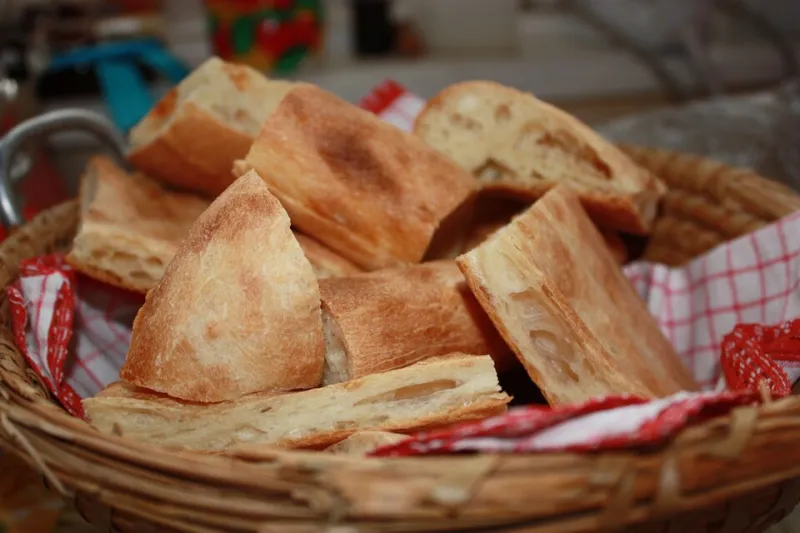
With lamb chops or şiş, the onions do the work of a mint sauce but with more crunch and less sugar. With chicken şiş — especially a yoghurt-marinated one — they add the acid that the marinade only hinted at. Around köfte, pile them on top of the flatbread and let the meat juices soak in underneath; it's arguably the best way to eat the two together. And with flatbread and butter, a pinch of onion and a smear of yoghurt makes a mouthful that's better than it has any right to be.
They also survive the British winter grill setup. If you're cooking over coals in the drizzle under a gazebo in February, a bowl of sumac onions takes four minutes and adds something fresh to a plate that is otherwise entirely brown.
The point of the pink bowl
Turkish cooking is often described as generous, and it is, but generosity without balance is just a lot of food. The bowl beside the mangal is a small act of editing: it decides how the whole table tastes. Make it properly, keep it sharp, and don't hide it at the end of the table where nobody can reach it.
One last thing — make more than you think you need. You will eat half of it while you're waiting for the coals to be ready.