Buy the Smoke, Not the Scoville: Reading Turkish Pepper Flakes on UK Shelves
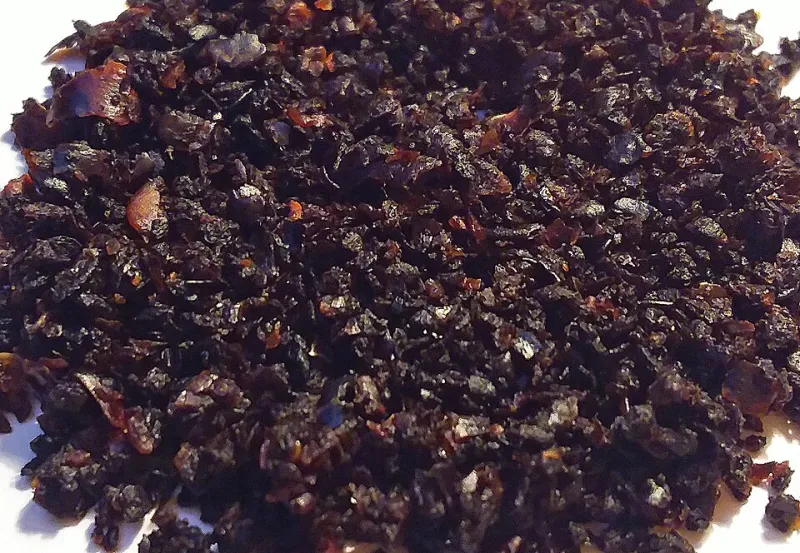
Photo: Fornax, CC BY-SA 3.0, via Wikimedia Commons
Walk into a good Turkish grocer in the UK and you will meet a wall of red. Some jars are bright and flaky, some are dark and almost purple, some look oily, some look dusty. They are often labelled pul biber, isot, Urfa or Aleppo-style, and they are not interchangeable. If you cook Turkish-style grills at home, the useful question is not how hot they are. It is how smoky, how fruity and how coarse they are. Buy for flavour first, heat second, and your whole sharing table gets better.
Stop treating red flakes as one ingredient
Most UK kitchens have a jar of generic chilli flakes lurking near the hob. It is fine for pizza, but it is a blunt tool for a mangal. Turkish pepper flakes are more like a seasoning family. They carry oil, fruit and smoke, and they are often used at the table as well as in the marinade. A pinch over lamb chops or a bowl of yogurt is meant to add scent and colour, not just fire. That is why the same spoonful can taste flat on one dish and generous on another.
In 2026, UK shelves are fuller than ever, but the labels are still uneven. Supermarket world-food aisles, delis and online Turkish shops all use different names. The trick is to ignore the word spicy for a moment and look for the style, the texture and the ingredients list.
The four names you will see most often
Pul biber
Pul biber is the everyday Turkish flake pepper, and the one most likely to earn a permanent spot in your kitchen. It is usually bright red, coarsely flaked and mildly oily, with a fruity, gently warm taste. Heat levels vary, but most UK jars sit in the mild-to-medium range. It is the all-rounder: good in marinades, good on eggs, good stirred into yogurt, good sprinkled over grilled vegetables. If you only buy one jar, start here.
Isot
Isot is the dark, moody one. It comes from the Şanlıurfa region and has a deep maroon colour, a smoky, raisin-like flavour and usually very little punch. Think dried fruit and embers rather than chilli heat. It is excellent on lamb, in kofta mixes and over buttered flatbreads. Because it is dark, it can make a dish look almost as if it has been cooked over coals even when it has come off a domestic grill.
Urfa biber
Urfa biber is another dark, smoky flake from the same part of Turkey, and labels often blur the line between Urfa and isot. Both are worth knowing, but do not get too hung up on the distinction in a UK shop. Treat them as the smoky-dark category. Urfa tends to be oily, sweet-smelling and low in heat, with a scent that reminds people of dried tomatoes and raisins. It is lovely on chicken thighs, roasted aubergine and dips.
Aleppo-style
Aleppo-style flakes are named after the Syrian city of Aleppo, close to the Turkish border. In the UK, the word style is doing honest work: the pepper may not come from Aleppo itself. These flakes are usually brighter red, fruitier and a little more forward in heat than pul biber, with a softer, oily texture. They are a good choice if you want colour and a gentle kick without the darker, dried-fruit smoke of isot. They work particularly well on vegetables and eggs.
How to read a UK label without guessing
First, look at the ingredients. Good Turkish pepper flakes should usually contain pepper and very little else. Some blends add salt, which is worth knowing before you season a marinade. Others add anti-caking agents or generic chilli powder, which can make the texture dusty and the flavour vague. If the jar says only chilli flakes, it may still be useful, but it is not a reliable guide to style.
Second, look at the texture through the jar. Coarse flakes with visible seeds tend to be more aromatic and less dusty. Dark, oily flakes should look rich rather than grey. If the contents look faded and powdery, walk away. Third, buy small. A 100g jar sounds economical, but pepper flakes lose their scent faster than most people expect. A fresh 50g jar you finish is better than a huge one that sits at the back of the cupboard.
Where to shop? Large UK supermarkets increasingly stock pul biber in the world foods section, and Polish, Middle Eastern and Turkish grocers are often better value and fresher. Delis may sell smaller jars with clearer origin labels. Online specialist shops are useful if you want isot or Urfa specifically, but check the best-before date and avoid anything described only as hot red pepper.
Matching flakes to the grill
For lamb, reach for the dark stuff. Rub isot or Urfa into chops with salt and a little oil, or fold it through minced lamb for kofta. The smoky, raisin-like notes stand up to char and fat. For chicken, pul biber is the natural partner for yogurt marinades, with Aleppo-style flakes added at the end for brightness. For eggs, especially menemen or simple fried eggs, pul biber in melted butter is hard to beat. For vegetables, try Aleppo-style over roasted cauliflower, charred onions or grilled courgettes. For dips, stir pul biber into thick yogurt with salt and a little lemon, or dust isot over hummus with olive oil. The flakes are a finish as much as an ingredient.
Storage: keep the scent, not just the colour
Store flakes in an airtight jar away from the hob, the window and the kettle. Heat and steam are the enemies. For dark, oily flakes such as isot and Urfa, the fridge can help them keep their scent for longer, especially in a warm kitchen. Label the jar with the date you opened it and use the smoky ones within six to nine months. If the flakes smell like dusty cardboard rather than fruit and pepper, they are done. Do not keep them for decoration.
Build a three-jar shelf
You do not need fifteen jars. Start with an everyday pul biber for marinades and the table, a dark isot or Urfa for lamb and smoky depth, and a brighter Aleppo-style for vegetables and eggs. That trio covers most Turkish grill cooking at home, and each jar has a clear job. Add a fourth only when you find a specific flake you love. The point is not to collect labels. It is to reach for the right jar without thinking, the way you reach for salt.
On a sharing table, pepper flakes are part of the conversation. They let everyone adjust their own plate, and they bring colour and scent to food that has already come off the fire. Buy the smoke, not the Scoville, and your Turkish grill nights will taste more layered for very little effort.