Salt, Yogurt, Patience: How Turkish Marinades Really Work on British Cuts
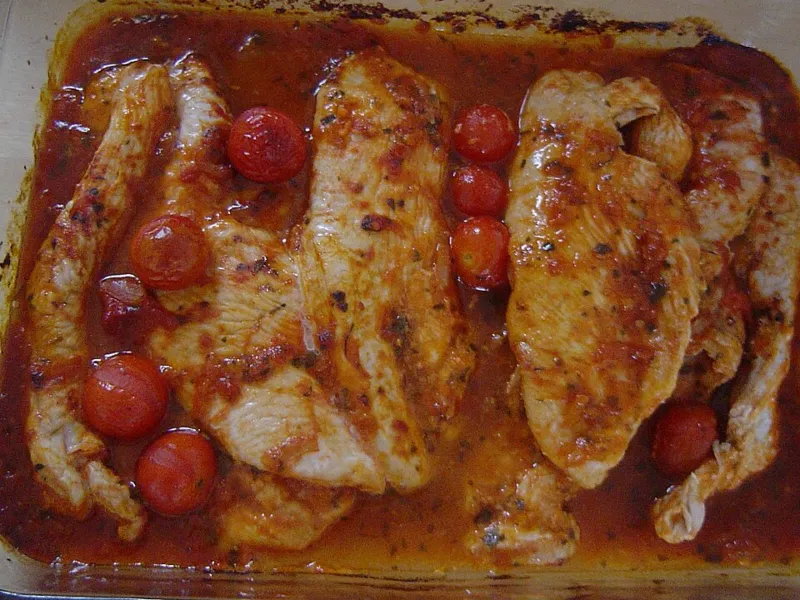
Photo: Rexipe Rexipe from London, UK, CC BY 2.0, via Wikimedia Commons
There is a persistent idea that a good Turkish grill marinade means more: more yogurt, more lemon, more oil, more spice, more time. Leave the meat in it overnight and somehow it will emerge tender, smoky and deeply seasoned. In practice, that approach often gives you the opposite. The outside turns pasty, the texture goes soft, and the fire has to fight through a wet coating before it can do its best work.
Turkish grill cooking is not against marinades. It is against treating them as a bath. Yogurt, salt, oil and pul biber are all useful, but they do different jobs, and they work on a clock. Once you separate those jobs, British cuts become much easier to handle.
A marinade is seasoning with a texture problem
The first thing to accept is that marinades do not travel very far into a piece of meat. Most of the flavour sits on the surface. That is fine. On a grill, the surface is where you want it: browned, slightly crisp, carrying smoke and spice. The inside of a lamb shoulder cube or a chicken thigh needs salt and enough time, not a swimming pool of yogurt.
Yogurt is popular for good reason. Full-fat yogurt clings to meat, carries spices and has a gentle acidity that can help with tenderness. But it is not a magic tenderiser. Leave chicken in an acidic yogurt mix for a day and you are more likely to get a chalky, crumbly texture than a juicy one. Lamb can stand longer, but it still has a limit. The marinade should be a coating with a purpose, not a storage medium.
Salt first, and give it time
If you only change one habit, make it this: salt before you add the yogurt. A dry salt stage gives the meat time to season properly, and it avoids the common trap of adding salty yogurt, salty spice and salty stock powder all at once.
For lamb shoulder cubes, a generous sprinkle of fine salt or a short dry brine in the fridge for four to twelve hours works well. Lamb chops and leg steaks need less: two to four hours is usually plenty. Chicken thighs benefit from two to four hours salted in the fridge. Wings can take four to eight hours because of the bone and skin. Vegetables are different: salt them for fifteen to thirty minutes, then pat away the water that comes out, especially with aubergine, courgette and mushrooms.
You do not need to weigh everything to the gram unless you want to. A useful guide is about one to one-and-a-half per cent salt by weight for meat. If you are cooking by eye, aim for an even, visible seasoning that looks slightly generous but not crusted.
Yogurt is a coating, not a cure
Use full-fat yogurt, and strain it if it is watery. Thick yogurt stays where you put it. Thin yogurt slides off and leaves you with a wet surface that steams rather than browns.
A sensible starting point for a Turkish-style yogurt marinade is plain full-fat yogurt, a little olive oil, crushed garlic, pul biber, cumin and black pepper. Add salt only if the meat has not already been salted. Lemon is optional. If you are already using yogurt, you probably do not need lemon juice and vinegar as well. Layering every acid in the cupboard is how marinades become sour and one-note.
Timings matter more than most recipes admit. Lamb shoulder cubes can sit in yogurt for four to eight hours. Lamb chops or leg steaks are better at two to four hours. Chicken thighs are happy at two to six hours, and wings at four to eight. I would not push chicken much beyond eight hours in a yogurt marinade. Beyond that, the texture starts to suffer and the yogurt begins to break down in a way that makes the surface wet and uneven.
Oil carries flavour; pul biber needs company
Oil is not just there to stop sticking. It carries fat-soluble flavour from spices and helps the surface colour evenly over the coals. A couple of tablespoons is usually enough for a family-sized tray of skewers. Too much oil drips into the fire and causes flare-ups, which can leave you with a bitter, sooty crust.
Pul biber is often described only as chilli flakes, but its appeal is more about colour, aroma and a gentle warmth. Mix it with oil and a little cumin or dried mint, then work it into the yogurt coating. Keep a pinch back to sprinkle at the table. That final dusting tastes brighter than spice that has spent hours in the fridge.
A cut-by-cut cheat sheet
- Lamb shoulder cubes: salt for four to twelve hours, yogurt for four to eight hours, oil and pul biber for the last hour.
- Lamb chops and leg steaks: salt for two to four hours, yogurt for two to four hours. Keep it short and grill hot.
- Chicken thighs: salt for two to four hours, yogurt for two to six hours. Pat off excess before grilling.
- Chicken wings: salt for four to eight hours, yogurt for four to eight hours. Dry the skin slightly before they hit the coals.
- Vegetables: salt for fifteen to thirty minutes, yogurt for thirty to sixty minutes at most. Aubergine and mushrooms take well to a brief yogurt coat; watery vegetables do better with oil and spice only.
Do not rinse, do scrape
A common mistake is rinsing off the marinade before grilling. That washes away the seasoning you just built and leaves the meat wet. Instead, let the meat sit at room temperature for twenty to thirty minutes while the coals settle, then scrape off thick clumps of yogurt with your fingers or the back of a spoon. A thin film is good. A heavy blanket is not.
For chicken, pat the skin dry if you are using skin-on pieces. For lamb, do not worry about every last bit of yogurt. The goal is a slightly tacky surface that will catch smoke and brown, not a clean, bare piece of meat.
The fire still does most of the work
No marinade can rescue a bad grill setup. Use a two-zone fire if you can: hot coals for colour, a cooler side for finishing. Do not crowd the grill. Let the meat sit still long enough to form a crust before you turn it. And season again lightly at the end if needed, especially chicken.
The best Turkish-style marinades are not the longest or the wettest. They are the ones that respect the ingredients: salt for seasoning, yogurt for coating and gentle acidity, oil for carrying flavour, pul biber for colour and warmth. Time is an ingredient too, but it is measured in hours, not days. Once you stop treating the marinade as a bath, the meat starts tasting more like itself and more like the fire.