What Goes Under the Skewer: Charcoal Choices for a UK Mangal
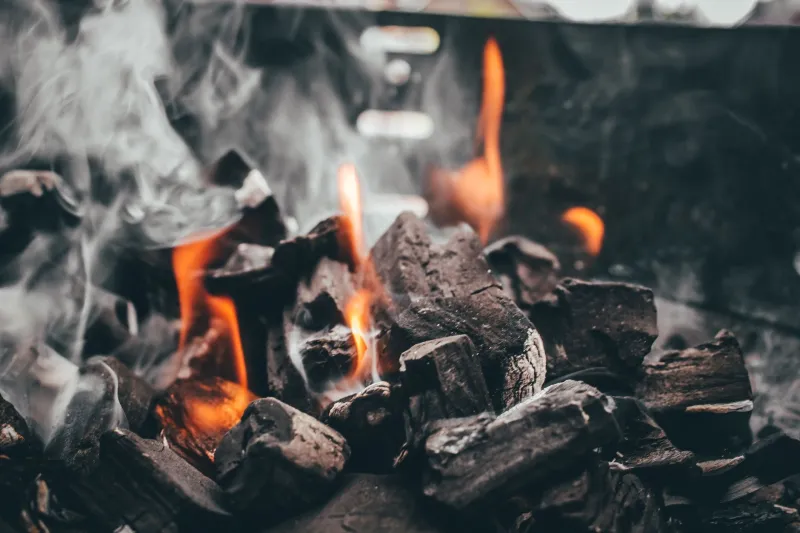
Charcoal usually gets treated like the boring bit of a barbecue. You buy a bag, tip it in, light it and get on with the skewers. But anyone who has cooked over a proper Turkish mangal knows that the fuel is doing more than keeping the metal warm. It decides how quickly the edges of a kebab catch, how much smoke settles into chicken wings, whether a long sharing cook stays steady or spikes and fades. In a very real sense, the bag you buy is part of the recipe.
That makes shopping for charcoal in the UK more interesting than it looks. Garden centres, fuel merchants, online suppliers and Turkish grocers all sell bags with confident claims on the front. Some are excellent. Some are damp, dusty or built for a different job entirely. The aim here is not to crown one perfect bag, but to help you read the shelf, judge quality and choose fuel that earns its place under a mangal.
Start with the job, not the label
A Turkish grill is not usually about one heroic burst of heat. It is about a bed of coals that stays useful while skewers go on and off, flatbreads warm at the edge and a few peppers soften in the smoke. That means you want fuel that suits your style of cooking: quick direct grilling for weeknight kebabs, or a longer, steadier fire for a weekend table with several rounds of food.
UK weather adds another layer. A damp bag of charcoal in a cold garage will not behave like a dry bag in a warm shed. Winter grilling rewards dry fuel, good airflow and a little patience during lighting. If the coals are hissing, steaming or refusing to catch, the problem may be the bag rather than your technique.
Lumpwood: the quick, clean route
Lumpwood charcoal is the familiar irregular stuff: chunks and pieces of charred hardwood rather than uniform pillows. It lights relatively quickly, burns hot and leaves a fairly light ash. For Turkish-style direct grilling — chicken skewers, lamb chops, kofta, wings, vegetables — it is a natural starting point.
Quality varies enormously. Good lumpwood feels dense for its size and snaps rather than crumbles. Cheap bags can be full of small shards, dust and pale, lightweight pieces that flare up and die down before the food is properly coloured. Large, solid chunks are useful for a mangal because they create a stable bed of heat; small fragments are better saved for starting the fire or filling gaps.
In the UK, garden centre lumpwood is often sold seasonally and stored outdoors. Check the bag for tears, soft patches and a lot of black dust in the bottom. A little dust is normal. A bag that looks like it has been rained on and dried out three times is not a bargain.
Briquettes: steady heat, but read the small print
Briquettes are the uniform option. They are made from charcoal fines and binders, pressed into shapes that burn evenly and hold heat for longer. For a sharing cook with food coming off the grill in waves, that steadiness can be genuinely useful. They are also less likely to send sparks and small pieces through the vents of a mangal.
Not all briquettes are equal. Plain restaurant-style briquettes can be excellent for long cooks. Instant-light briquettes, however, are best avoided for Turkish grilling: the accelerant smell can cling to the early smoke, and you do not need it if you have a chimney starter or a sensible lighting method. Look for bags that describe the charcoal content clearly rather than leading with lighter fluid or easy-light claims.
Briquettes need time. Wait until they are covered in a grey, ashy surface before cooking. If you rush that stage, you get acrid smoke and uneven heat. Once they are ready, they can be more forgiving than lumpwood, especially on a cold day when the air is doing its best to steal heat from the grill.
Restaurant-style charcoal and the label trap
The phrase restaurant grade sounds reassuring, but it is not a strict guarantee. Restaurant charcoal is often denser, larger and more consistent than budget garden fuel because professional ocakbaşı kitchens need predictable heat through service. Some of that charcoal is lumpwood; some is high-quality briquette. The useful information is usually in the detail: species or type of hardwood, piece size, moisture content, origin and any genuine certification.
Labels such as natural, premium, long burning and eco should be read carefully. They can be meaningful, but they are not all regulated in the same way. No chemicals may simply mean no added accelerant, not that the bag is high-performance fuel. Sustainable may speak to forestry practice rather than burn quality. None of this makes the bag bad; it just means you should not buy on the front panel alone.
Avoid scented charcoal and anything designed for instant lighting if flavour matters to you. Turkish grill cooking is simple enough that off-smells show up quickly. You want wood smoke, not perfume or petrol.
What UK shops actually offer
Garden centres are convenient and often have decent lumpwood in spring and summer, but stock can sit around in damp conditions. Fuel merchants are worth the trip if you buy in bulk: you can ask about moisture, piece size and how the bags have been stored. Online suppliers can be very good, especially for consistent restaurant-style charcoal, but check delivery costs and packaging. Turkish grocers sometimes stock mangal charcoal alongside other grill kit, which can be a useful shortcut if you already know the brand.
Buy for your storage, not just your enthusiasm. A huge bag left open in a damp shed is worse than a smaller bag kept dry. For most UK households, a bag that will be used within a few weeks is a better buy than a bargain sack that slowly turns to dust.
Simple checks before it reaches the mangal
First, feel the weight. A dense piece of charcoal is heavy for its size; a light, hollow-feeling chunk will burn away fast. Second, knock two pieces together. A clean, hard clink is a better sign than a dull thud. Third, look at the dust. Some dust is normal, but a bag full of crumbs and broken pieces suggests rough handling or poor storage. Fourth, do a small burn test. Light a few pieces in a chimney, watch how they catch, smell the smoke and see what ash they leave. If the smoke is sharp and chemical, do not cook over it.
A good bag should smell of charred wood, not solvent. It should catch without a fight, settle into a glowing bed and hold enough heat to colour food properly rather than just singe it.
A practical buying rule
For most UK homes cooking Turkish-style food, the simplest kit is two bags: a dense lumpwood for quick, hot direct grilling and a plain briquette for longer sharing cooks when you want steady heat. Keep both dry, store them in a sealed tub or well-covered box, and buy smaller quantities more often if your shed is damp. The charcoal is not the headline, but it is the base note. Choose it with the same care as the salt, the yogurt and the pepper flakes, and the whole mangal will taste more like itself.